Plumbing Maintenance· 5 min read
7 Signs You May Have a Hidden Water Leak
Rising water bills, musty smells and warm spots on the floor can all point to a leak you can’t see. Here’s what to look for.
By the Clearkwick Plumbing team
Most leaks don’t announce themselves with a gush of water. They drip slowly inside a wall, under a shower pan or behind a laundry box, sometimes for months. By the time you see a stain, the drywall, insulation or subfloor behind it may already be wet.
The good news is that hidden leaks almost always leave clues. Here are seven to watch for, plus a simple test you can do in about half an hour.
1. Your water bill climbs without explanation
If your usage hasn’t changed (no new household members, no hot-tub refill, no lawn watering in January) but your bill has crept up over two or three billing periods, water is going somewhere. A running toilet alone can waste a surprising amount of water each day, and a pinhole leak in a supply line runs around the clock.
2. Your water meter moves when nothing is on
This is the most reliable at-home check:
- Turn off every tap, shower and water-using appliance. Make sure the dishwasher, washing machine, humidifier and fridge ice maker aren’t running.
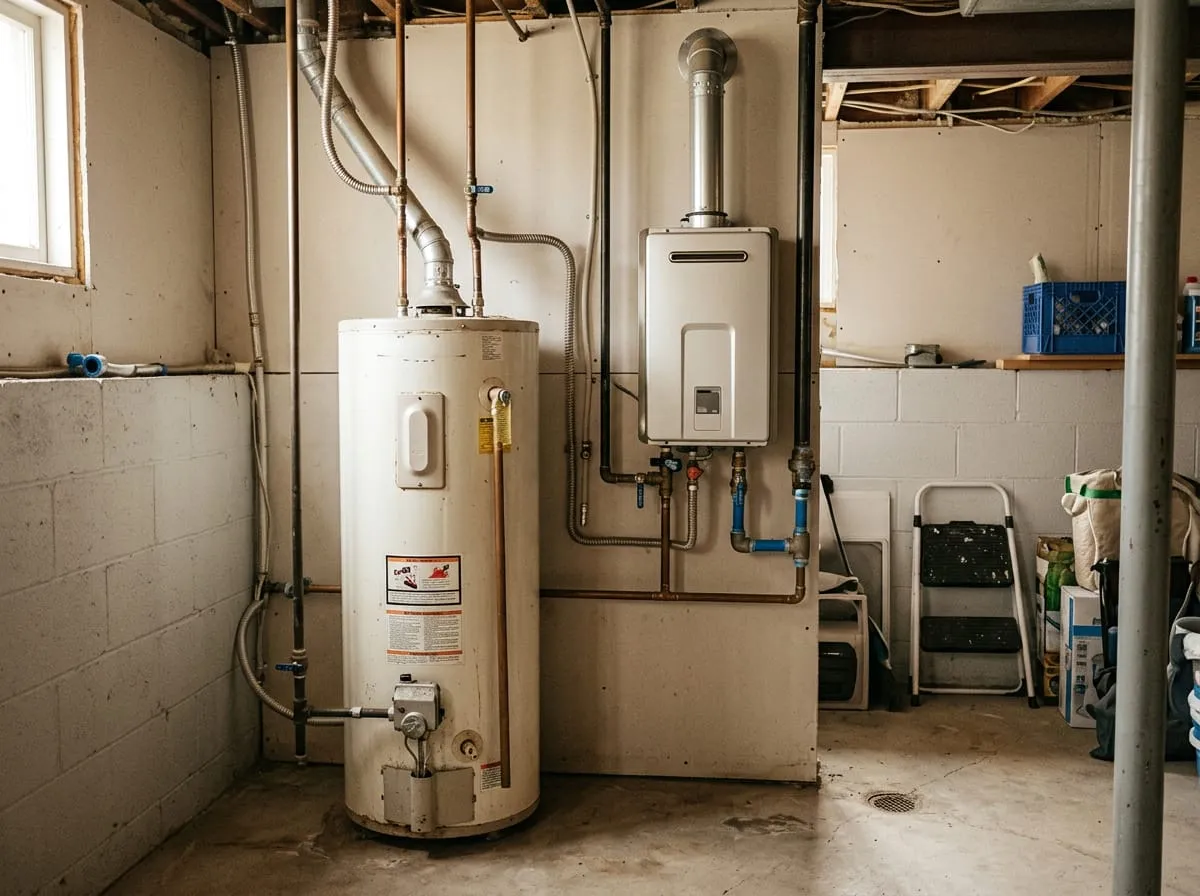
- Find your water meter, usually in the basement near where the main line enters the house.
- Note the reading, or watch the small leak-indicator dial (often a little triangle or star).
- Wait 15 to 30 minutes without using any water, then check again.
If the reading has changed or the indicator is spinning, you have a leak somewhere. Next, close the shut-off valves under each toilet and repeat the test. If the meter stops moving, a toilet is the likely culprit.
3. Stains, bubbling paint or soft drywall
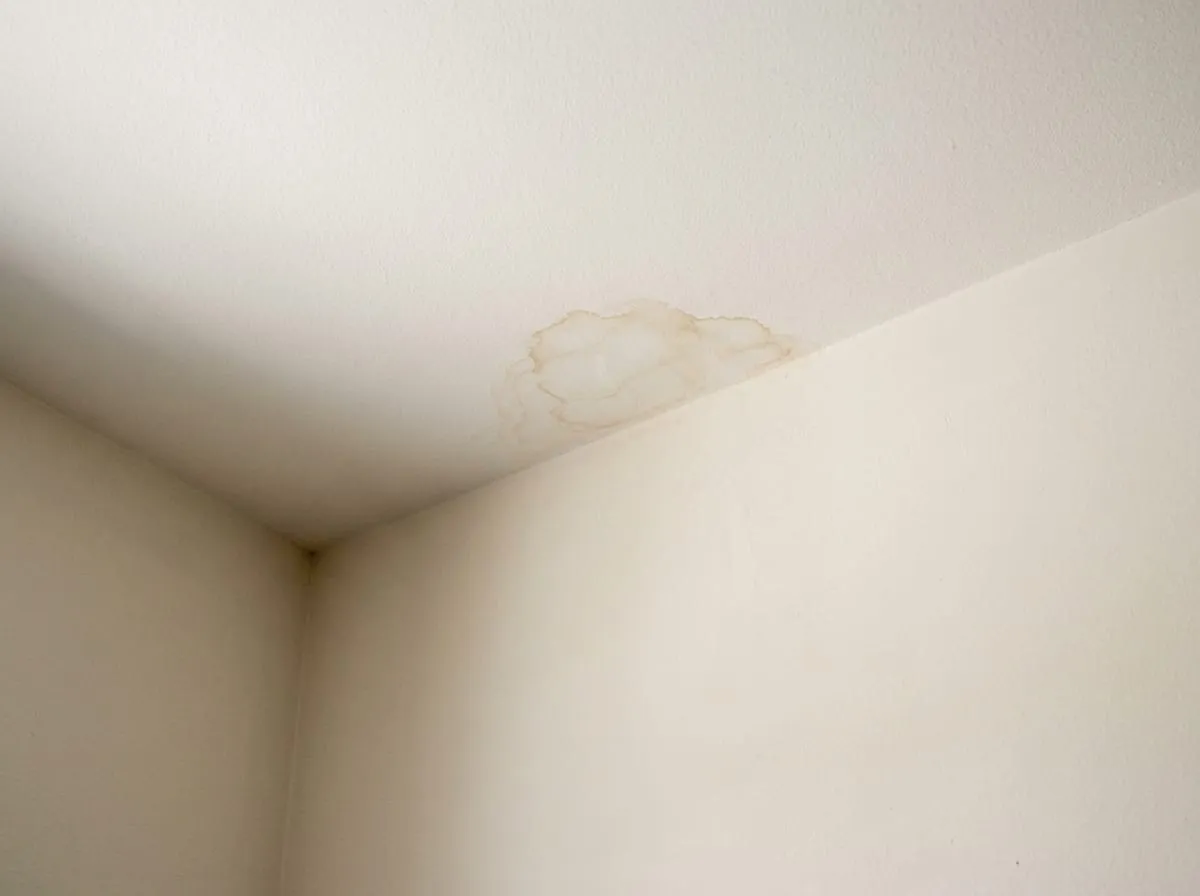
Yellow-brown rings on a ceiling, paint that bubbles or peels, and drywall that feels soft when pressed are classic signs of water above or behind the surface. Pay particular attention to ceilings below bathrooms and walls behind showers, tubs and kitchen sinks.
4. Musty smells or visible mould
A damp, earthy smell, especially in a closet, under a sink or in a finished basement corner, often comes before visible mould. Mould needs moisture, so recurring spots on grout, baseboards or the back of cabinets are worth investigating rather than just cleaning.
5. Floors that warp, lift or feel warm
Laminate that swells at the seams, hardwood that cups, or vinyl that lifts can indicate water underneath. In homes with in-floor heating or plumbing under a slab, an unexpectedly warm patch of floor can point to a leak in a hot water line.
6. The sound of running water
In a quiet house at night, listen near walls with plumbing in them. A faint hiss or trickle when every fixture is off is a strong hint that a supply line or toilet fill valve isn’t sealing.
7. Low water pressure at one fixture or across the house
A sudden drop in pressure can mean water is escaping before it reaches the tap. If it affects only one fixture, the cause may simply be a clogged aerator. If it’s house-wide and paired with any of the signs above, a supply-line leak is more likely.
What to do if you suspect a leak
- Find your main shut-off now, before you need it. Know which way to turn it.
- Don’t open walls blindly. Accurate leak detection keeps access holes small and repairs cheaper.
- Take photos of stains or damage with the date. They’re useful for insurance claims.
- If water is actively spreading, shut off the main and treat it as an emergency.
A Central Alberta note
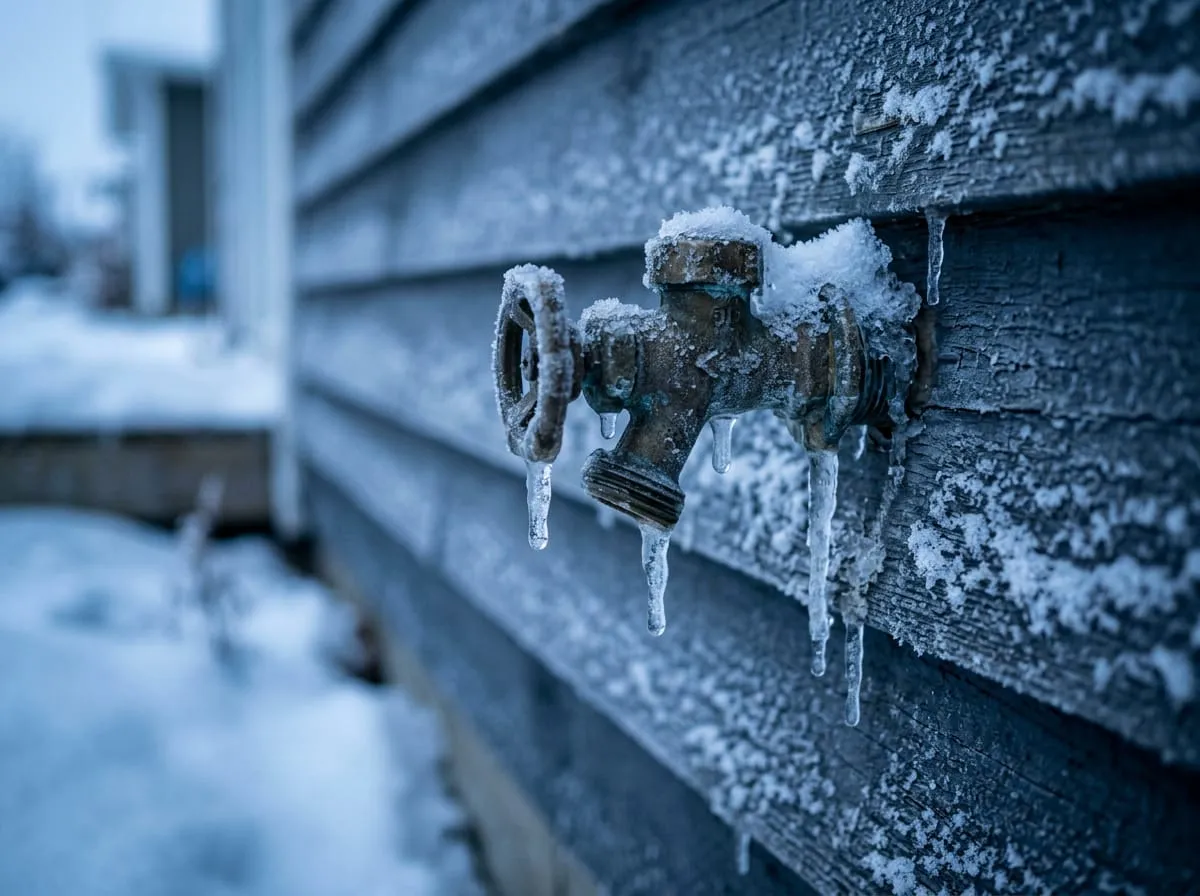
Many homes here have supply lines running through exterior walls, above garages or in crawlspaces. A pipe that partially froze during a cold snap can develop a slow leak that only shows up weeks later. If you noticed a frozen tap last winter, keep an eye on the walls around it.
If any of these signs sound familiar, our leak detection and pipe repair team can find the source with minimal disruption. And if water is actively coming through a ceiling, call our 24/7 emergency line.