Emergency Tips· 6 min read
How to Prevent Frozen Pipes During Alberta Winters
When the forecast drops below −25 °C, a few simple habits can keep your pipes flowing and save you from a costly burst line.
By the Clearkwick Plumbing team
Every Central Alberta winter brings at least one stretch where overnight lows sit in the −30s. That’s when frozen pipes go from a rare inconvenience to one of the most common plumbing emergencies in the region.
Water expands as it freezes. In a pipe, that expansion builds pressure between the ice and a closed tap, and that pressure is what splits copper and PEX. Often the burst doesn’t show until the pipe thaws and water starts flowing again.
Most frozen pipes are preventable. Here’s how.
Before winter: a fall checklist
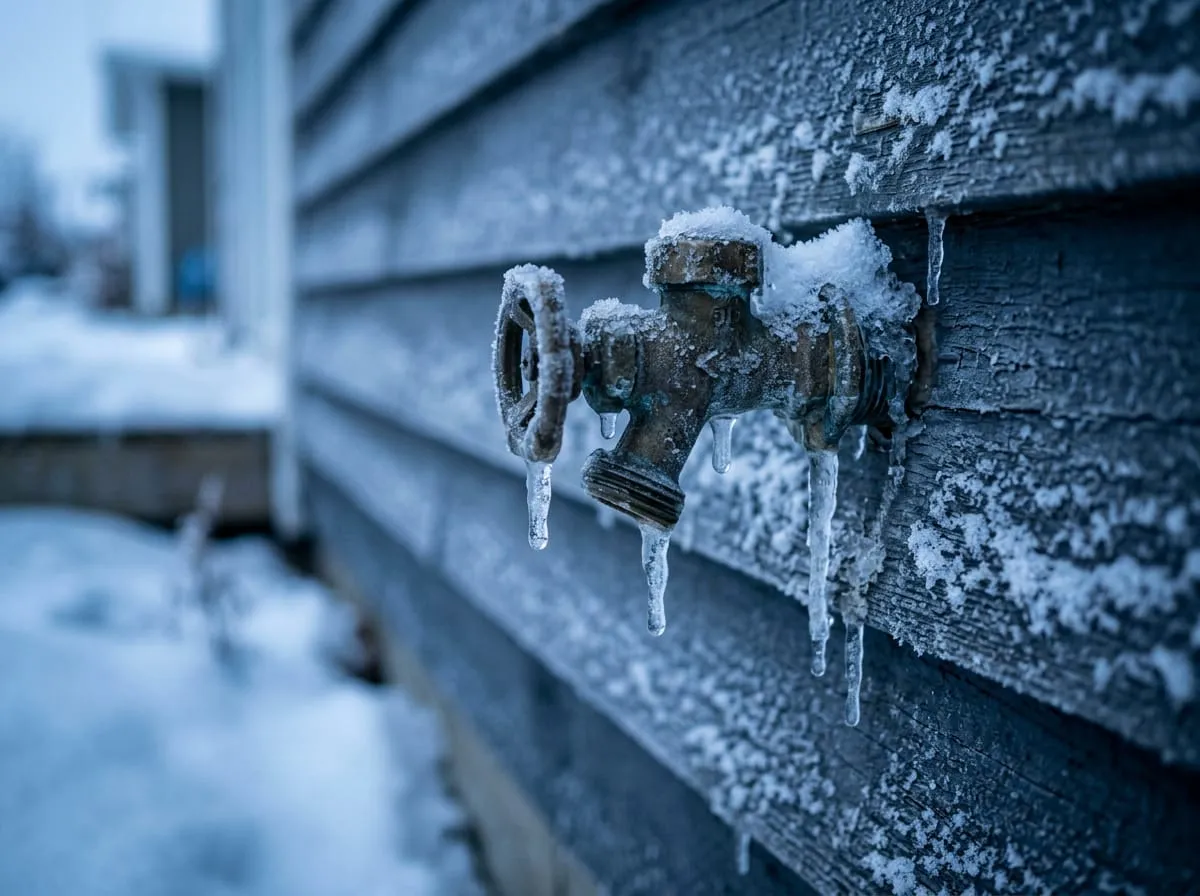
Disconnect garden hoses. A hose left attached traps water in the outdoor faucet (hose bib). Disconnect, drain and store hoses before the first hard freeze.
Shut off and drain outdoor faucets. Many homes have an interior shut-off valve for each outdoor tap. Close it, then open the outdoor faucet to let the remaining water drain. Newer homes often have frost-free hose bibs, which still need the hose removed to work properly.
Insulate vulnerable pipes. Foam pipe insulation is inexpensive and easy to install on accessible pipes in:
- Unheated garages and crawlspaces
- Basement rim joists and cold corners
- Cabinets on exterior walls
For lines that freeze repeatedly, ask a plumber about heat-trace cable or rerouting the pipe away from the cold wall.
Seal drafts. Cold air leaking through gaps around pipes, dryer vents and rim joists can freeze a line even in a heated space. Spray foam or caulk around penetrations helps.
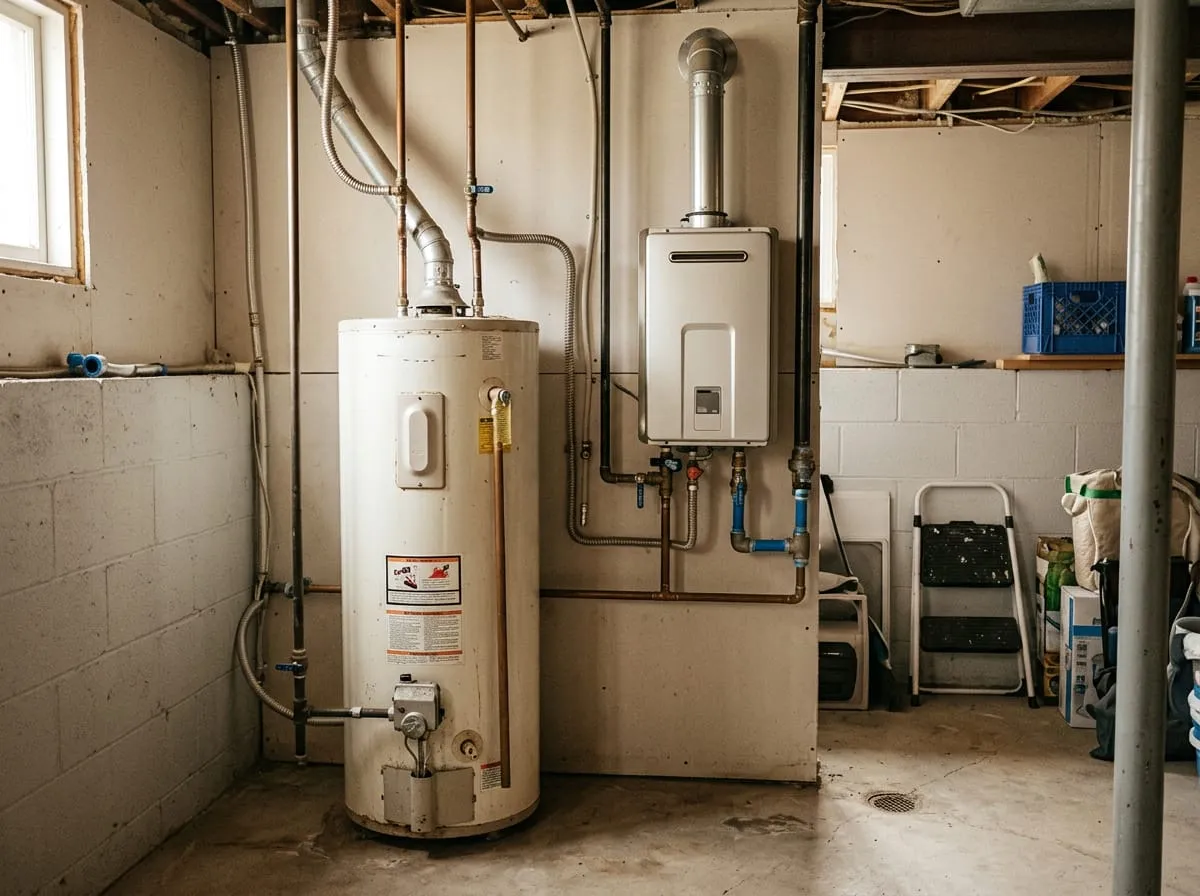
Know where your main shut-off is. In most homes it’s in the basement where the water line enters, near the meter. Make sure the valve turns. If it’s seized, have it replaced before you need it.
During a cold snap
Keep the heat on and steady. Avoid deep overnight setbacks when temperatures are extreme. If you’re travelling, don’t set the thermostat lower than about 15 °C, and ask someone to check on the house.
Open cabinet doors under sinks on exterior walls so warm room air can reach the pipes.
Let a vulnerable tap drip. A slow drip from a faucet fed by a problem pipe keeps water moving and relieves pressure if ice starts to form. It costs far less than a burst-pipe repair.
Keep the garage door closed if water lines run through or above it.
Check your sump pump discharge line. If it freezes, your pump may run with nowhere to send the water. Make sure the outdoor outlet is clear of snow and ice.
Signs a pipe has frozen
- A tap delivers only a trickle, or nothing, while others work normally
- Frost on an exposed pipe
- A toilet that won’t refill
- Unusual smells from drains (water can’t flow past an ice blockage)
What to do if a pipe freezes
- Open the tap it feeds so melting water has somewhere to go and pressure can escape.
- Warm the area gently. Use a hair dryer, a space heater kept at a safe distance, or warm towels, starting nearest the tap and working back.
- Never use an open flame, such as a torch or lighter. It’s a fire hazard and can damage the pipe.
- Watch for leaks as it thaws. If water appears, shut off the main immediately.
- If you can’t reach or locate the frozen section, call a plumber rather than opening walls.
If a pipe bursts
Shut off your main water valve first. Then switch off power to any area where water is near outlets or electrical equipment, but only if it’s safe to reach the panel. Move valuables out of the way, take photos for your insurer and call our 24/7 emergency plumbing line.
Pipes that freeze every winter
If the same pipe freezes year after year, the fix is usually permanent rather than seasonal: rerouting the line through a heated space, adding insulation in the wall cavity, or installing heat trace. Our pipe repair team can assess the cause and give you options before next winter.